History

Intent, Implementation and Impact
Intent – What Do We Aspire For Our Children?
Our Curriculum Intent for History
A high-quality history education that will help children gain a coherent knowledge and understanding of Britain’s past and that of the wider world. Our curriculum is designed to inspire our children’s curiosity to know more about the past and gain an understanding of how the past informs our present world. Our curriculum utilises the history of our local area, to ensure that the children are knowledgeable about their locality’s history and the changes it has seen.
At Adlington, our history curriculum has been carefully designed and sequenced to equip our children with a secure, coherent knowledge about British, local and world history. The progression of our curriculum enables children to develop their understanding of abstract historical concepts as they move through the school. Our curriculum reflects our locality and endeavours to ensure children are knowledgeable about their locality’s history and the changes that it has seen. Alongside the development of substantive knowledge, children will develop their disciplinary skills as they learn the fundamental elements of what it is to be a historian. Children will study a range of cultures and historical perspectives enabling them to be respectful, tolerant and empathetic.
By the time they leave Adlington Primary School we want all our children to have developed the following characteristics of successful historians:
- A passion for and commitment to the subject, and a real sense of curiosity to find out about the world and the people who live there.
- An excellent knowledge and understanding of people, events, and contexts from a range of historical periods and of historical concepts and processes.
- The ability to think critically about history and communicate ideas very confidently in styles appropriate to a range of audiences.
- The ability to consistently support, evaluate and challenge their own and others’ views using detailed, appropriate and accurate historical evidence derived from a range of sources.
- The ability to think, reflect, debate, discuss and evaluate the past, formulating and refining questions and lines of enquiry.
- A passion for history and an enthusiastic engagement in learning, which develops their sense of curiosity about the past and their understanding of how and why people interpret the past in different ways.
- A respect for historical evidence and the ability to make robust and critical use of it to support their explanations and judgments.
- A desire to embrace challenging activities, including opportunities to undertake high-quality research across a range of history topics.
Implementation – How Will We Deliver the Curriculum?
Knowledge at the Heart of the Curriculum
At Adlington the school’s aims and National Curriculum requirements for History are embedded in the design, planning and delivery of our termly Topics which sit within the four pillars of our overall Curriculum Themes and Concepts.
This approach not only ensures the thorough delivery of the aims of each individual subject but also ensures that the connections between subjects are more easily identified and explored in depth within a clear and relevant context.
This encourages and supports children to see the holistic nature of these subjects and helps them in securing knowledge within memorable cognitive schema.
Our History curriculum is underpinned by rich, substantive knowledge and ambitious vocabulary, whilst also ensuring children are developing their disciplinary knowledge (historical skills). Delivery is planned to ensure concepts are taught to support children’s understanding. As well as developing a breadth of historical knowledge, we want our children to become skilful historians. Activities have an emphasis on historical enquiry where children investigate historically framed questions whilst also developing historical enquiries of their own. In addition to substantive and disciplinary knowledge, children will develop their experiential knowledge through visitors, handling artefacts, museum visits and local fieldwork.
Key historical concepts are threaded through our curriculum, revisited and build upon to provide the children with a substantive knowledge and understanding. Our key concepts are: chronology, settlement, government, migration, invasion, rebellion, settlement, identity, invention, societal change, technological advancement and trade.
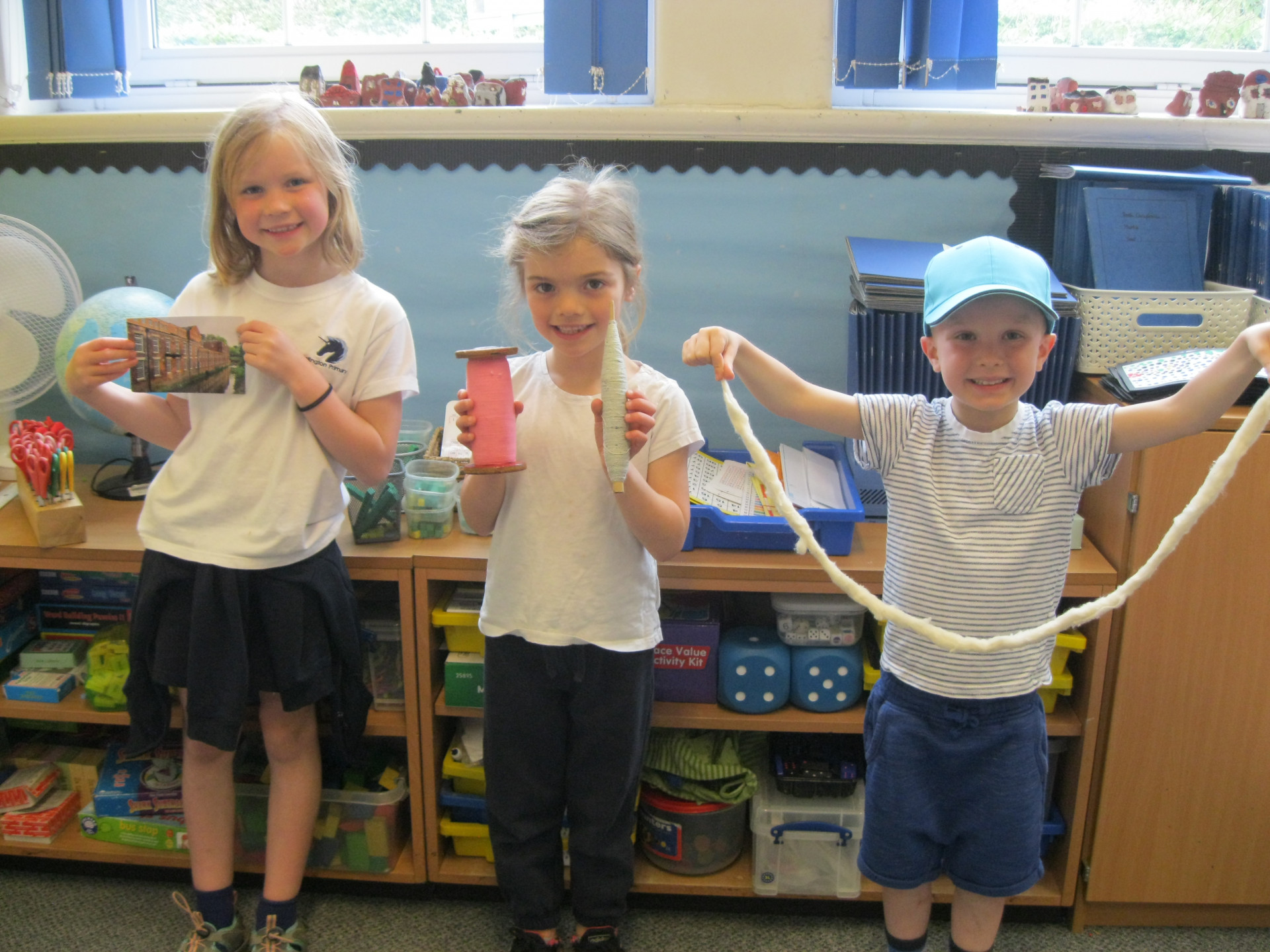
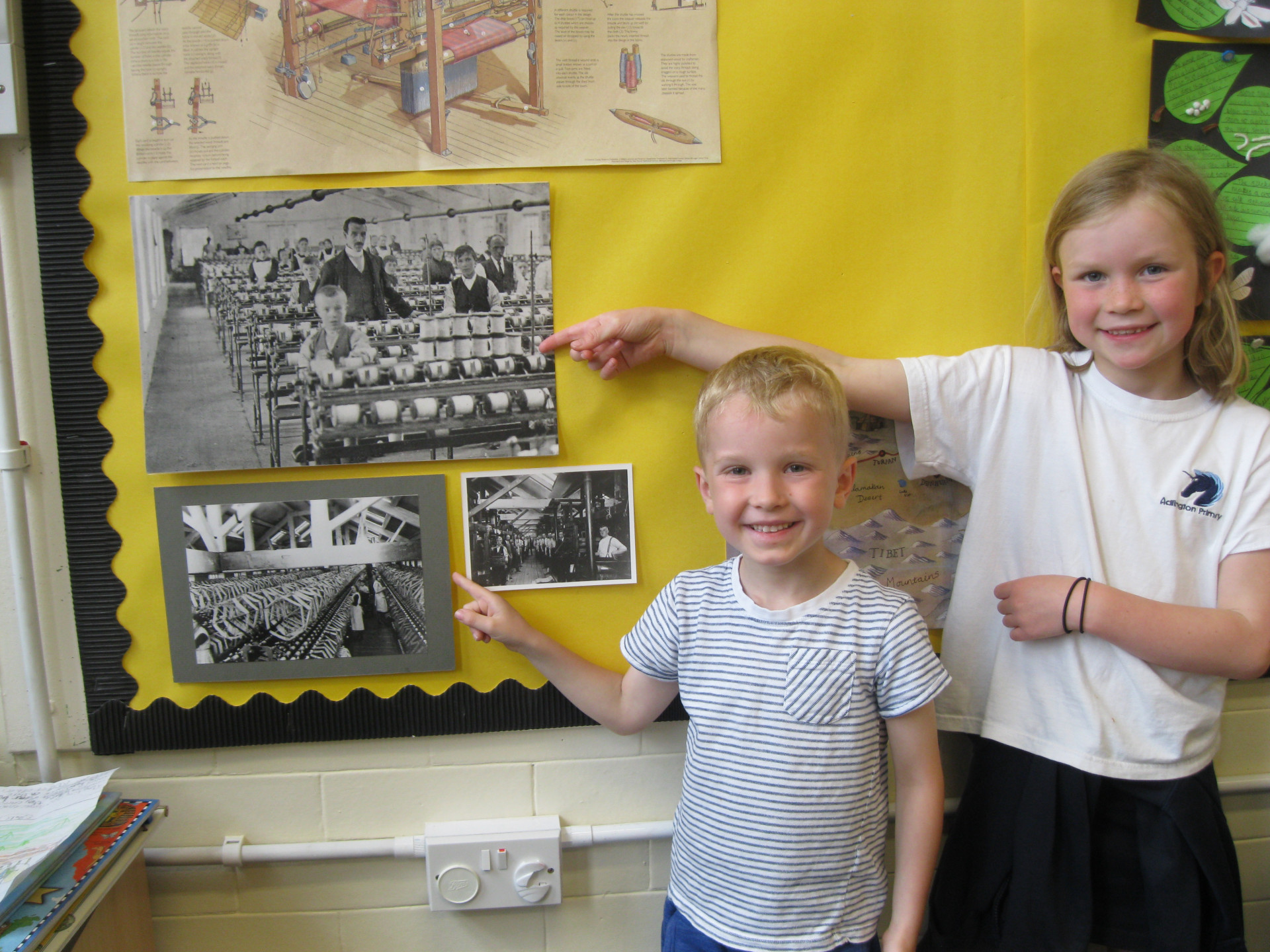
We believe that children should have a rich understanding of their local heritage. This is why local history is woven into our history curriculum to ensure it is explicitly taught and that links with larger historical themes are made. For example, in Years 1& 2, children learn about the Silk Industry in Macclesfield, its purpose, legacy and historical significance. In Years 3&4, the children build on their knowledge of the local silk industry by studying its connections with China but also look at local prehistoric sites and Roman settlements. In Years 5 & 6, children consider the impact of the World Wars on the local area while continuing to examine historical trading and imperial connections.
Reading Across the Curriculum
In order to develop children’s reading skills, our teachers plan opportunities for children to read and listen to age-appropriate texts that link to the history topic being studied, or topics that have been previously studied. Each class has a selection of historical fiction and non-fiction books to widen their subject specific knowledge, and develop their historical knowledge and understanding.
Curriculum Enrichment
Where possible, learning is enriched by a school trip, or by a visitor coming into school. Trips and visitors are carefully planned to ensure they link with what is happening in the classroom. For example, Macclesfield Silk Museum and the Macclesfield Canal to learn about technological advancement, trade and transport; the Dewa Museum in Chester or Manchester Museum to build knowledge and understanding of the impact of the Roman invasion; Stockport Air Raid Shelter when studying the Home Front in WWII.
Useful Information