Science
Intent, Implementation and Impact
Intent – What Do We Aspire For Our Children?
Our Curriculum Intent for Science
To build a science curriculum that develops learning and results in the acquisition of knowledge.
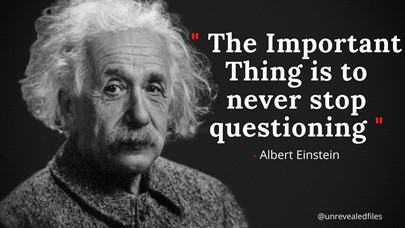
To build a science curriculum that enables children to become enquiry-based learners.
Science teaching at Adlington Primary School aims to give all children a strong understanding of the world around them whilst acquiring specific skills and knowledge to help them to think scientifically, to gain an understanding of scientific processes and an understanding of the uses and implications of Science, today and for the future.
At Adlington Primary School, scientific enquiry skills are embedded in each unit the children study and these are revisited and developed throughout their time at school. Units, such as Plants, are taught in Key Stage 1 and studied again in further detail throughout Key Stage Two. This model allows children to build upon their prior knowledge and increases their enthusiasm for the units whilst embedding this procedural knowledge and scientific language into the long-term memory.
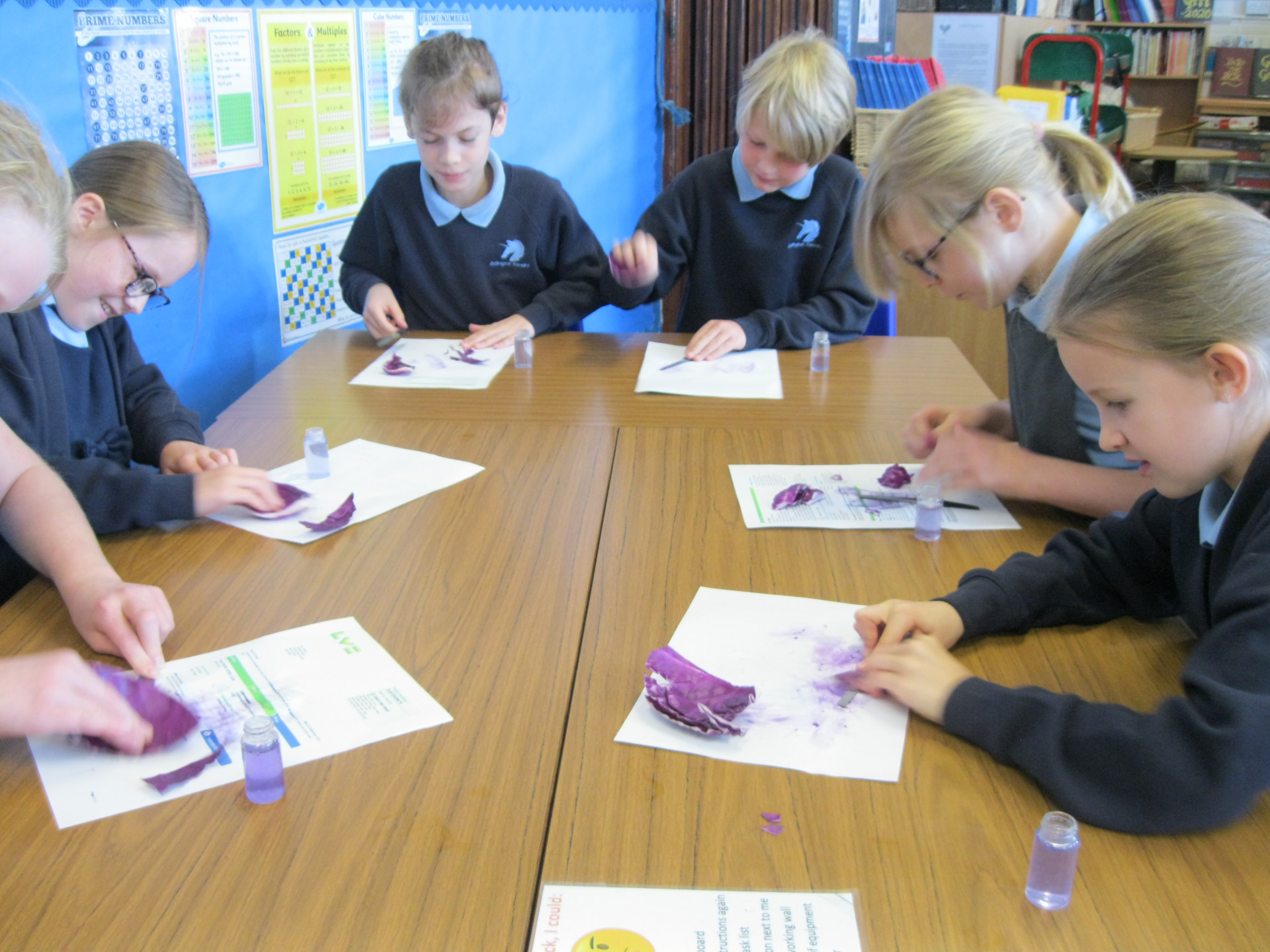
All children are encouraged to develop and use a range of skills including observations, planning and investigations, as well as being encouraged to question the world around them and become independent learners in exploring possible answers for their scientific based questions. Specialist vocabulary for units is taught and built up, and effective questioning to communicate ideas is encouraged. Concepts taught should be reinforced by focusing on the key features of scientific enquiry, so that pupils learn to use a variety of approaches to answer relevant scientific questions.
By the time they leave Adlington Primary School we want all our children to have developed the following characteristics of successful scientists:
- The ability to think independently and raise questions about working scientifically and the knowledge and skills that it brings.
- Confidence and competence in the full range of practical skills, taking the initiative in, for example, planning and carrying out scientific investigations.
- Excellent scientific knowledge and understanding which is demonstrated in written and verbal explanations, solving challenging problems and reporting scientific findings.
- High levels of originality, imagination or innovation in the application of skills.
- The ability to undertake practical work in a variety of contexts, including fieldwork.
- A passion for science and its application in past, present and future technologies.
Implementation – How Will We Deliver the Curriculum?
Knowledge at the Heart of the Curriculum
At Adlington Primary School, staff have worked collaboratively to develop a clear and comprehensive scheme of work in line with the National Curriculum. This is regularly reviewed and updated.
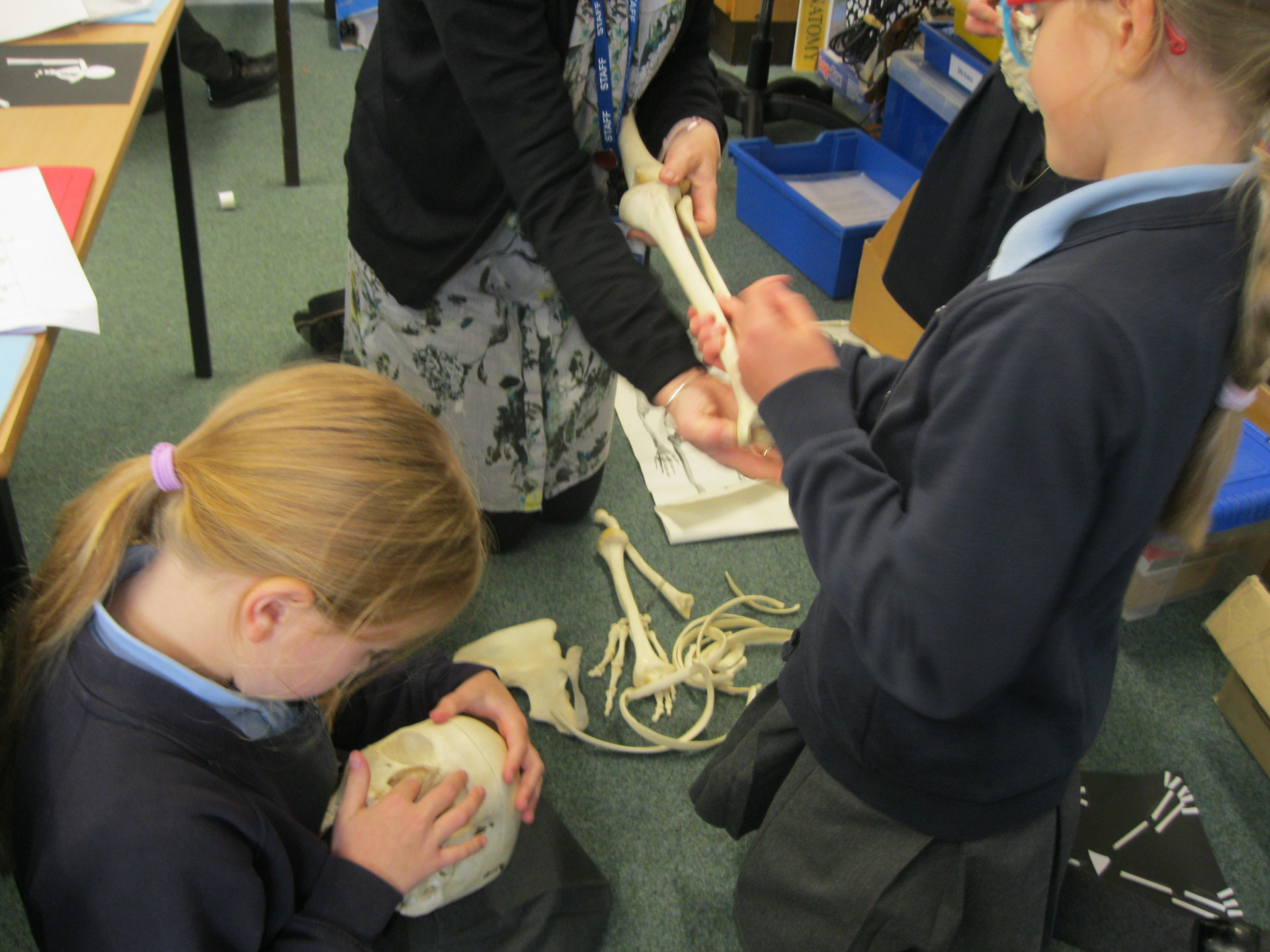
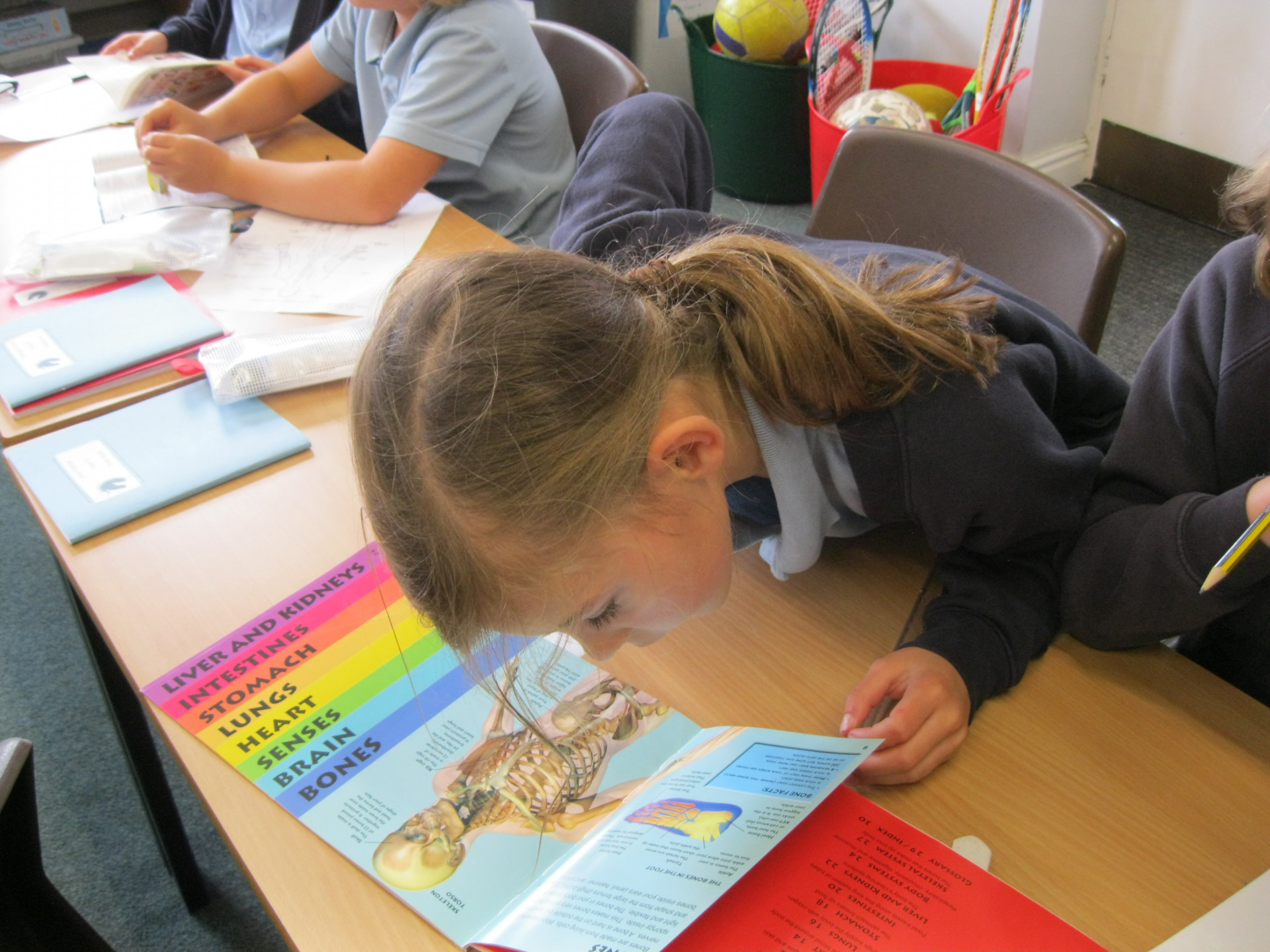
Teaching and learning shows progression across the key stages within the strands of science and revisits key concepts. The children can build on prior knowledge and link ideas together enabling them to question and become enquiry-based learners. In years 1-6 a two-year rolling programme is in place to ensure balanced coverage of subject knowledge and the key skills of scientific enquiry. In Foundation stage science is taught through the Understanding the World area of learning. Where appropriate, at least one investigation is completed during each unit and homework may be sent. Children have opportunities within science lessons to access resources to acquire learning through science equipment, digital technology, practical experiences and images. The children have access to key vocabulary and meanings in order to understand and readily apply to their verbal and written communication. Classroom displays support this key vocabulary and increase awareness of a diverse range of STEM pioneers.
We will organise a Science Week once a year and arrange trips or visits from experts/outside agencies where relevant. All classes have access to Forest School learning during the year. Our children will learn and revisit the importance of our world and how it should be treated.
Impact – How Do We Know Our Science Curriculum is Effective?
Children will retain knowledge, be able to question ideas, reflect on and extend their learning.
Impact is measured using a variety of methods:
- Assessment for learning is continuous throughout the planning, teaching and learning cycle
- Observing children at work individually, in pairs, in a group and in classes both indoor and outdoor
- Questioning, talking and listening to children
- Considering work/materials/investigations produced by children, together with discussion about the work and outcomes they produce
- End of unit assessment tests or assessments when appropriate, where results are tracked.
- Progress in Working Scientifically is monitored across whole units.
- Foundation Stage children are assessed throughout the year through observation within the broad ages and stages of their development and at the end of the year against the Early Learning Goals. Their progress is tracked on Eprofile on entry to KS1.