Early Years Foundation Stage
At Adlington Primary School, we build on your child’s early years experience by following the statutory Early Years Foundation Stage Framework.
The EYFS Framework exists to support all professionals working in the EYFS to help your child, and was developed with a number of early years experts and parents.
In 2020 the Framework was revised and the new Early Learning Goals became statutory in 2021.
The framework sets out:
- Requirements for learning and development and for safeguarding children and promoting their welfare. The learning and development requirements cover:
- The areas of learning and development which must shape activities and experiences (educational programmes) for children in all early years settings
- The early learning goals that providers must help children work towards (the knowledge, skills and understanding children should have at the end of the academic year in which they turn five)
- Assessment arrangements for measuring progress (and requirements for reporting to parents and/or carers)
The EYFS Framework explains four guiding principles which should shape practice in early years settings.
These are:
- every child is a unique child, who is constantly learning and can be resilient, capable, confident and self-assured,
- positive relationships helping children to become independent and strong,
- enabling environments with teaching and support from adults,
- the importance of learning and development.
Children develop and learn at different rates. The framework covers the education and care of all children in early years provision, including children with special educational needs and disabilities (SEND).
Children should mostly develop the three prime areas first. These are:
- Communication and language
- Physical development
- Personal, social and emotional development
As children grow, the prime areas will help them to develop skills in four specific areas.
These are:
- Literacy
- Mathematics
- Understanding the world
- Expressive arts and design
These seven areas are used to plan your child’s learning and activities. The professionals teaching and supporting your child will make sure that the activities are suited to your child’s unique needs.
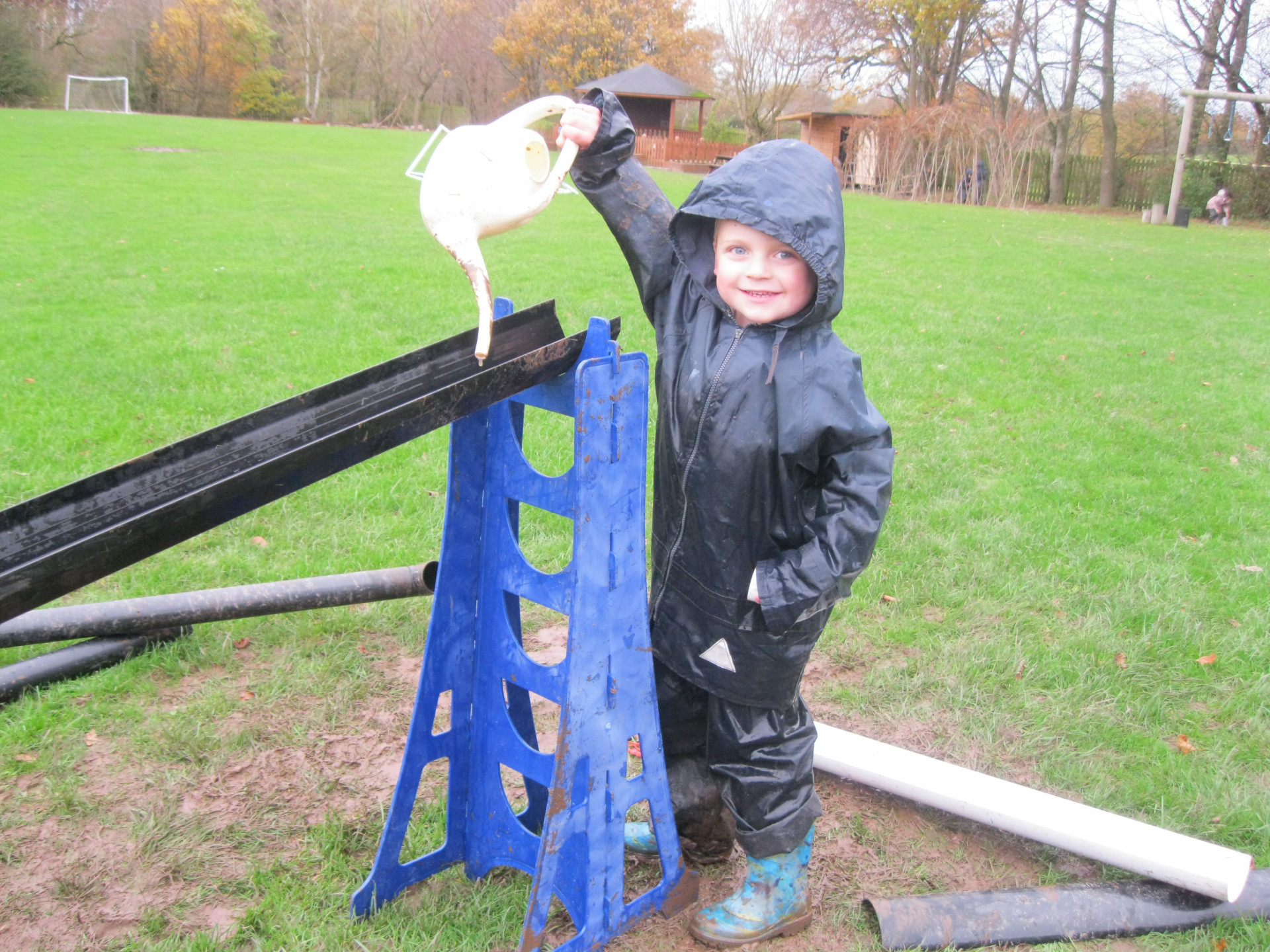
Children in our Reception class learn by playing and exploring, being active, and through creative and critical thinking which takes place both indoors and outside.
At Adlington, our approach to teaching and learning in the Reception class is guided by the definitions of ‘The Characteristics of Effective Teaching and Learning,’ which are summarised below.
| Characteristics of Effective Teaching and Learning | ||
|---|---|---|
| Playing and exploring – engagement | Active learning – motivation | Creating and thinking critically – thinking |
|
|
|
Reception Baseline
During your child’s first half-term in Reception class, they will complete the Reception Baseline Assessment. This is to enable your child’s class teachers to find out your child’s level of knowledge and understanding. This is a statutory assessment and the information is shared with the Cheshire East Local Authority and used by your child’s teachers to inform themes or planning so that activities are planned to appropriately support your child. It enables the teachers to build a curriculum that builds on strengths and supports any areas in need of development for every child in our Reception class. Please see the link below to find out further information regarding the Reception Baseline
Sharing achievements
Throughout their year in Reception, your child’s achievements will be collected in their personal learning journey which is stored online using the Tapestry system, which each Reception parent or carer can access through their personal login details. We also use floor-books and displays to share the children’s learning and achievements.
Useful Information