Design & Technology
Intent, Implementation and Impact
Intent – What Do We Aspire For Our Children?
Our Curriculum Intent for Design Technology
The aims of teaching Design Technology in our school are:
At Adlington, we intend that children should experience Design and Technology so that they have an awareness, interest and confidence to explore it further in their future and make use of design and technology conceptual and procedural knowledge effectively in their everyday lives.
Our children will gain knowledge, skills and experience in a wide range of formal elements of design and concepts of technology in a way that will enhance their learning opportunities, enabling them to use design and technology across a wide range of subjects to be creative and solve problems, ensuring they make progress. We aim to help them make products that solve real and relevant challenges and situations within a variety of contexts, whilst exploring the use of a range of different materials.
By the time they leave Adlington Primary School we want all our children to have developed the following characteristics of successful designers:
- The ability to use visual language skillfully and convincingly (for example, line, shape, pattern, colour, texture, form) to express emotions, interpret observations, convey insights and accentuate their individuality.
- The ability to communicate fluently in visual and tactile form.
- The ability to draw confidently and adventurously from observation, memory and imagination.
- The ability to explore and invent marks, develop and deconstruct ideas and communicate perceptively and powerfully through purposeful drawing in 2D, 3D or digital media.
- An impressive knowledge and understanding of other artists, craftmakers and designers.
- The ability to think and act like creative practitioners by using their knowledge and understanding to inform, inspire and interpret ideas, observations and feelings.
- Independence, initiative and originality which they can use to develop their creativity.
- The ability to select and use materials, processes and techniques skillfully and inventively to realise intentions and capitalise on the unexpected.
- The ability to reflect on, analyse and critically evaluate their own work and that of others.
- A passion for and a commitment to the subject.
Implementation – How Will We Deliver the Curriculum?
Knowledge at the Heart of the Curriculum
At Adlington the school’s aims and National Curriculum requirements for Design and Technology are embedded in the design, planning and delivery of our termly Topics which sit within the four pillars of our overall Curriculum Themes and Concepts.
This approach not only ensures the thorough delivery of the aims of each individual subject but also ensures that the connections between subjects are more easily identified and explored in depth within a clear and relevant context.
This encourages and supports children to see the holistic nature of these subjects and helps them in securing knowledge within memorable cognitive schema.
Our children follow a broad and balanced Design and Technology curriculum, which covers all aspects of the Design and Technology curriculum. Our curriculum is designed to ensure progressions of knowledge and skills, that builds on previous learning and provides both support and challenge for learners.
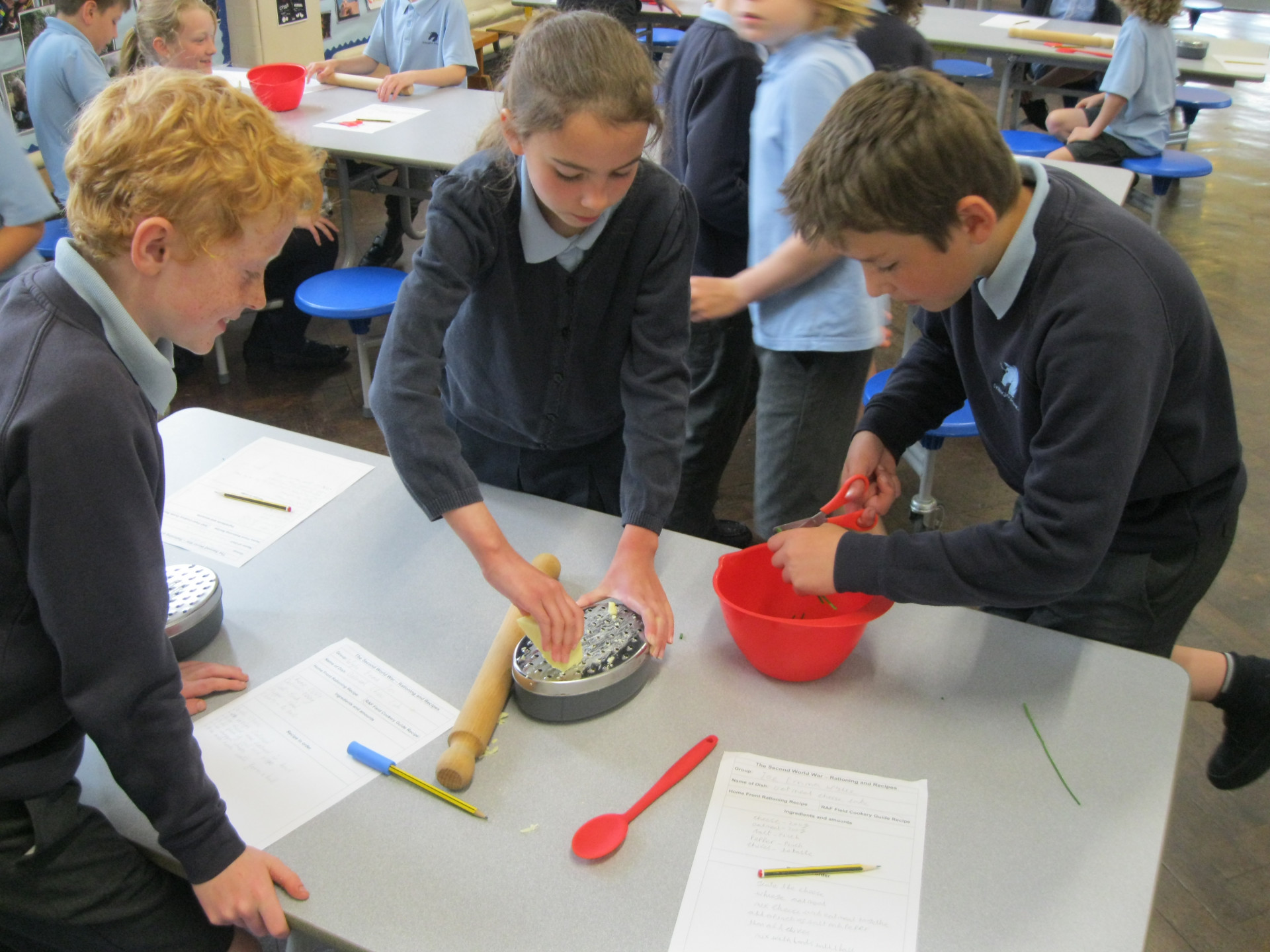
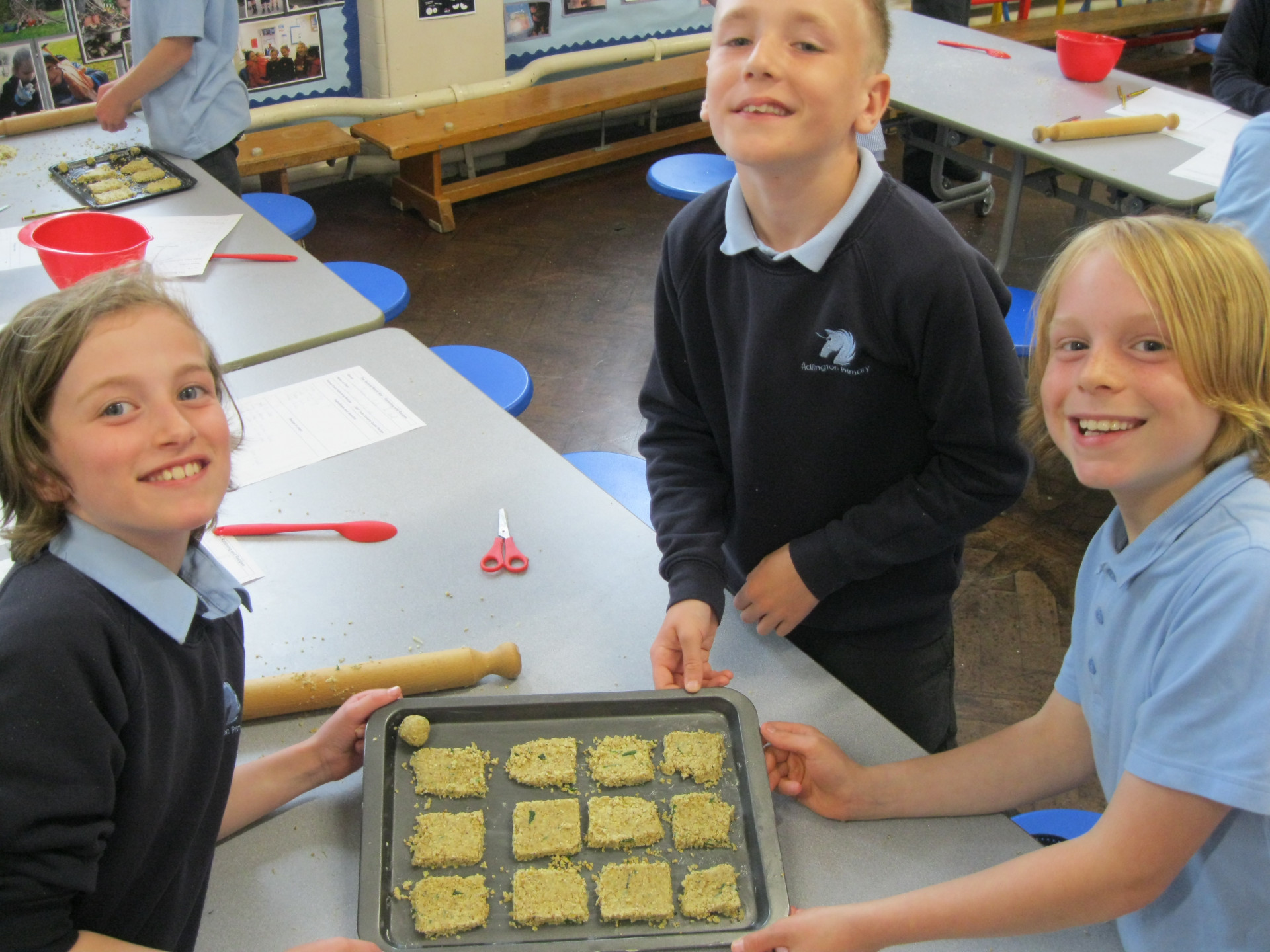
Our pupils’ journey into design and technology begins in Reception, where there is a continuous provision of design and technology opportunities, allowing pupils to explore a variety of materials, tools and techniques. Pupils are encouraged to develop their making skills whilst handling appropriate tools and construction materials safely and with increasing control. Pupils will also begin to develop an awareness of design and technology products within their daily lives and how things work e.g. pressing a button, pulling a lever.
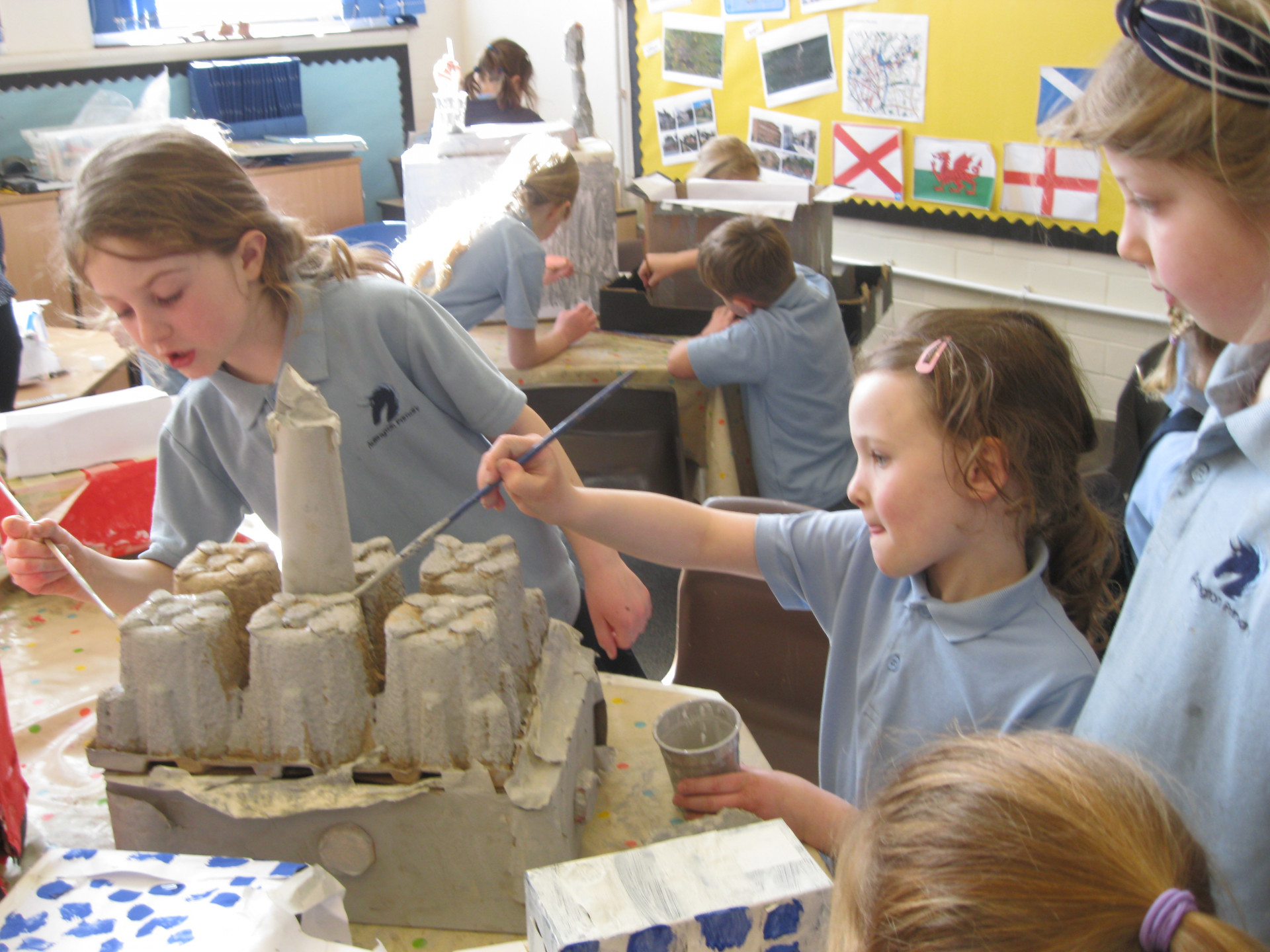
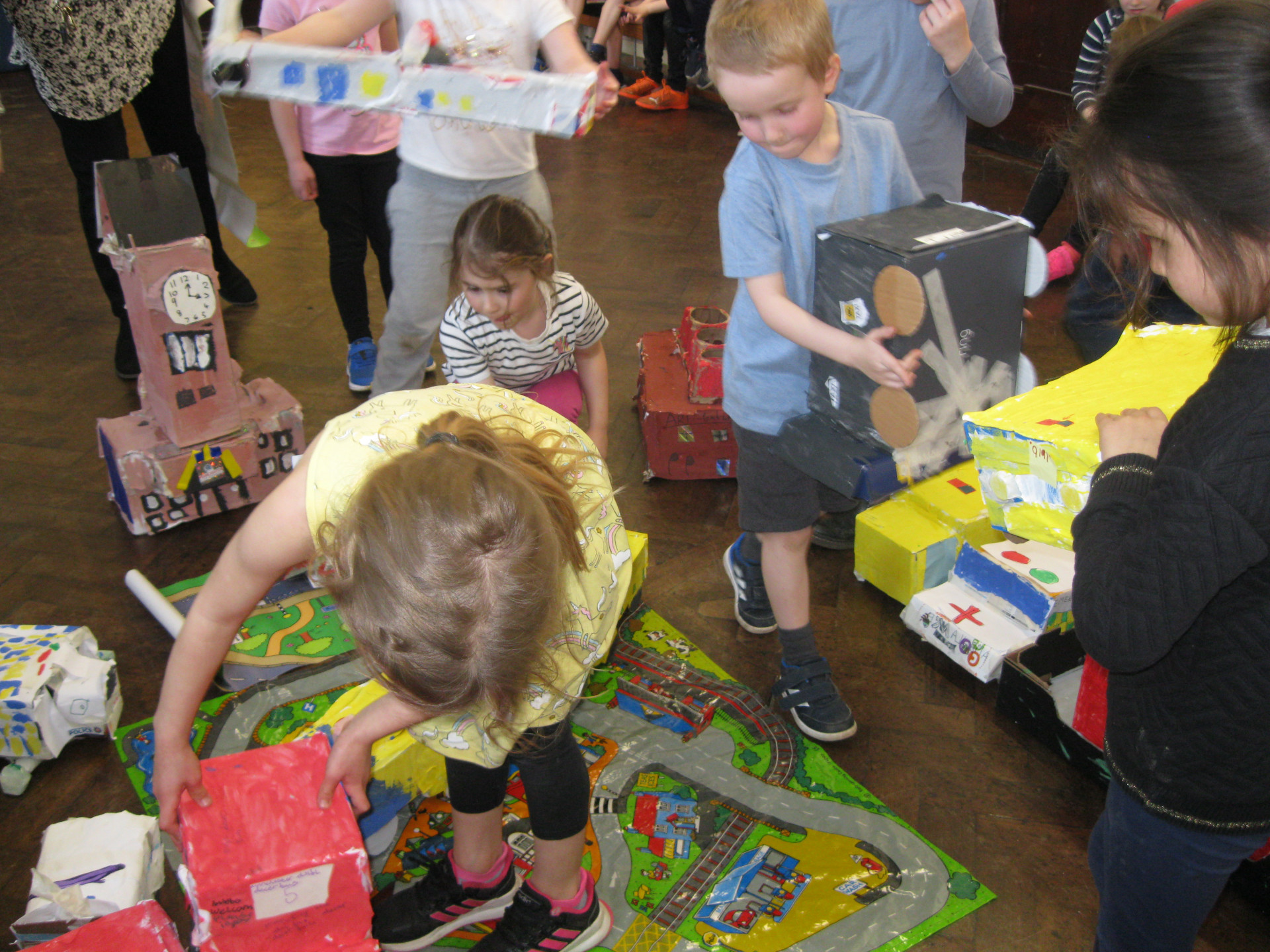
Children are immersed in the design process by researching and evaluating a range of existing products. Using this information and their ideas, children plan designs with a clear project intention and ‘user’ in mind. They develop design criteria and communicate their ideas through a range of materials and techniques. Children start the process of making their planned design using a range of equipment. Resources allow children to design and make their products, utilising a variety of tools and materials. Wherever possible, teachers promote the use of recycled materials when constructing and building. During this stage, the children are supported and challenged to tackle the problems that are presented both collaboratively and individually. Children are guided to test and evaluate their products against the design criteria to ensure that the product is fit for purpose, the children are encouraged to consider the views and opinions of peers to improve their work.
Our children in KS1 have a further opportunity to develop their Design and Technology knowledge, skills and understanding, particularly their use of materials and tools, through their weekly Forest School sessions. The children in KS2 are enabled to continue to further enhance their knowledge, skills and understanding from a rotating half-termly cycle of Forest School sessions across the academic year. All these sessions are led by a Forest School qualified practitioner.
Impact
How Do We Know Our Design Technology Curriculum is Effective?
The Design Technology curriculum contributes to the children’s personal development in creativity, independence, judgement and self-reflection. This is demonstrated in their ability to: talk confidently about their work; collaborate effectively with others; taking pride in sharing their ideas and work with others; ability to take risks in a safe environment and show resilience in problem-solving.
Design processes and outcomes are documented in a range of ways. Progress in Design and Technology is demonstrated through regularly reviewing and analysing children’s work, to ensure that progression of knowledge and skills is taking place. Namely through:
- Looking at pupils’ work, especially over time as they gain skills and knowledge in creating a functional and usable product
- Observing how they perform in lessons, including evaluating and reflecting upon their approach, processes and outcomes.
- Talking to them about what they know and understand of the key design and technology processes.